Understanding the 15-Minute City Concept
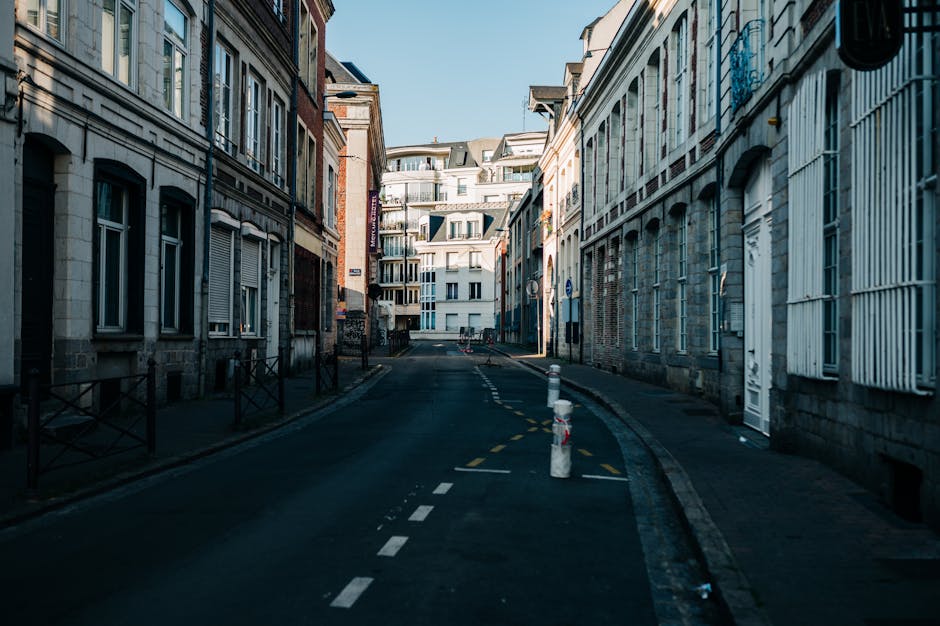
The "15-minute city" has become a significant concept in urban planning and sustainable living. At its core, the idea is straightforward: residents should be able to access essential services, amenities, and employment opportunities within a 15-minute journey from their homes, whether by walking, cycling, or public transport.
This concept emerged from urban planning research but gained prominence during the COVID-19 pandemic when lockdowns highlighted the importance of local amenities. Cities like Paris and Barcelona have made it central to their development strategies, and UK towns are increasingly considering how to implement similar principles.
In practical terms, a 15-minute neighbourhood typically includes:
- Grocery shops and markets
- Healthcare facilities (GP surgeries, pharmacies)
- Schools and educational facilities
- Parks and recreational spaces
- Public transport hubs
- Employment opportunities
- Cultural venues and libraries
For UK residents, this concept offers real benefits. It reduces reliance on cars, lowering both personal costs and carbon emissions. It encourages active travel, improving public health outcomes. It also strengthens community bonds, as people naturally interact more within their local area.
However, implementing the 15-minute city requires thoughtful planning. It's not about restricting movement or creating isolated communities. Instead, it's about ensuring that everyday needs are accessible locally whilst maintaining good connections to wider regions for work, leisure, and specialised services.
Different UK areas face different challenges. Urban centres may need to address traffic and parking, whilst suburban and rural areas must think creatively about service provision and transport. Local councils, businesses, and community groups all play crucial roles in making this vision a reality.
The 15-minute city isn't a one-size-fits-all solution, but rather a framework for thinking about how communities can become more liveable, sustainable, and resilient. As the UK continues to develop and adapt its towns and cities, this concept offers valuable guidance for creating spaces where people genuinely want to live and work.