How to Make Your Local Area More Walkable
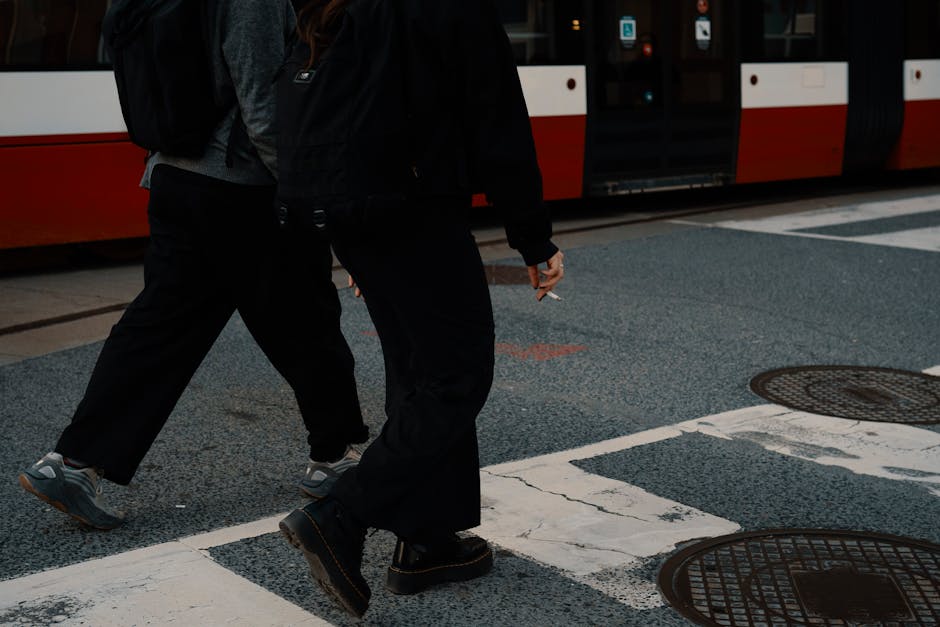
Creating a walkable community doesn't require massive investment or complex infrastructure projects. Often, thoughtful improvements to what already exists can make a significant difference to how accessible and pleasant your local area feels on foot.
Start by assessing your neighbourhood's current state. Take a walk at different times of day and note what works well and what could improve. Are pavements in good condition? Are there safe crossing points? Do street lights work after dark? Is there adequate seating for older residents? These observations form the basis for targeted improvements.
Key improvements to advocate for include:
- Pavement maintenance: Uneven, cracked, or blocked pavements discourage walking and can be dangerous for disabled people and elderly residents
- Traffic calming measures: Speed bumps, narrowed roads, and 20mph zones make streets safer for pedestrians
- Better crossings: Well-placed, well-lit pedestrian crossings with appropriate signage increase safety
- Seating and shelter: Benches and bus shelters allow people to rest and wait comfortably
- Clear signage: Good wayfinding helps people navigate confidently on foot
- Street trees and greenery: These provide shade, improve air quality, and make walking more pleasant
Engaging your community is essential. Organise walking audits where residents collectively identify problems and solutions. Share findings with your local council and transport authority. Many councils have community engagement processes and budgets for local improvements.
Business owners can contribute too. Ground-floor retail, cafes with outdoor seating, and active frontages make streets more interesting and safer through natural surveillance. Encourage local businesses to take pride in their frontages and remove barriers to pedestrian movement.
Schools and workplaces can promote walking through walking buses, where adults accompany groups of children to school. Employers can incentivise active commuting and provide secure cycle parking.
Remember that walkability benefits everyone. Children gain independence and exercise. Elderly residents maintain mobility and social connection. Working-age adults reduce transport costs. Businesses benefit from increased footfall. Environmental benefits include reduced emissions and improved air quality.
Small improvements often yield surprising results. A single new bench can become a community gathering point. Repainting a crossing can significantly increase usage. Start small, celebrate successes, and build momentum for larger changes.